
The complete guide
A Practical Guide to Choosing a Decorative Book Safe
Cash left on a desk is easy to notice. Small jewellery can end up scattered across drawers, and bank cards sometimes need a home outside your everyday wallet. A decorative book safe gives these items a shared place without putting a normal storage box on display.
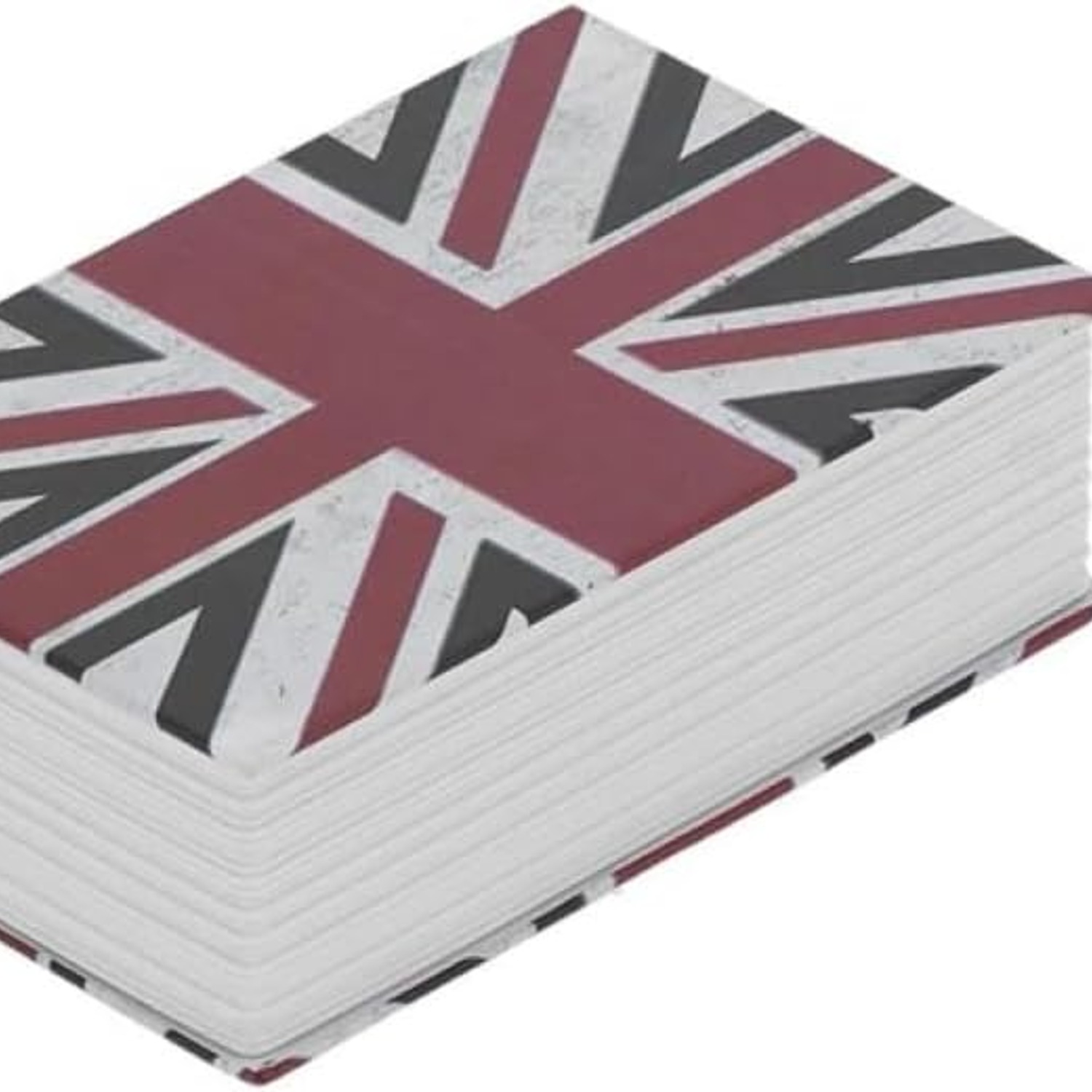
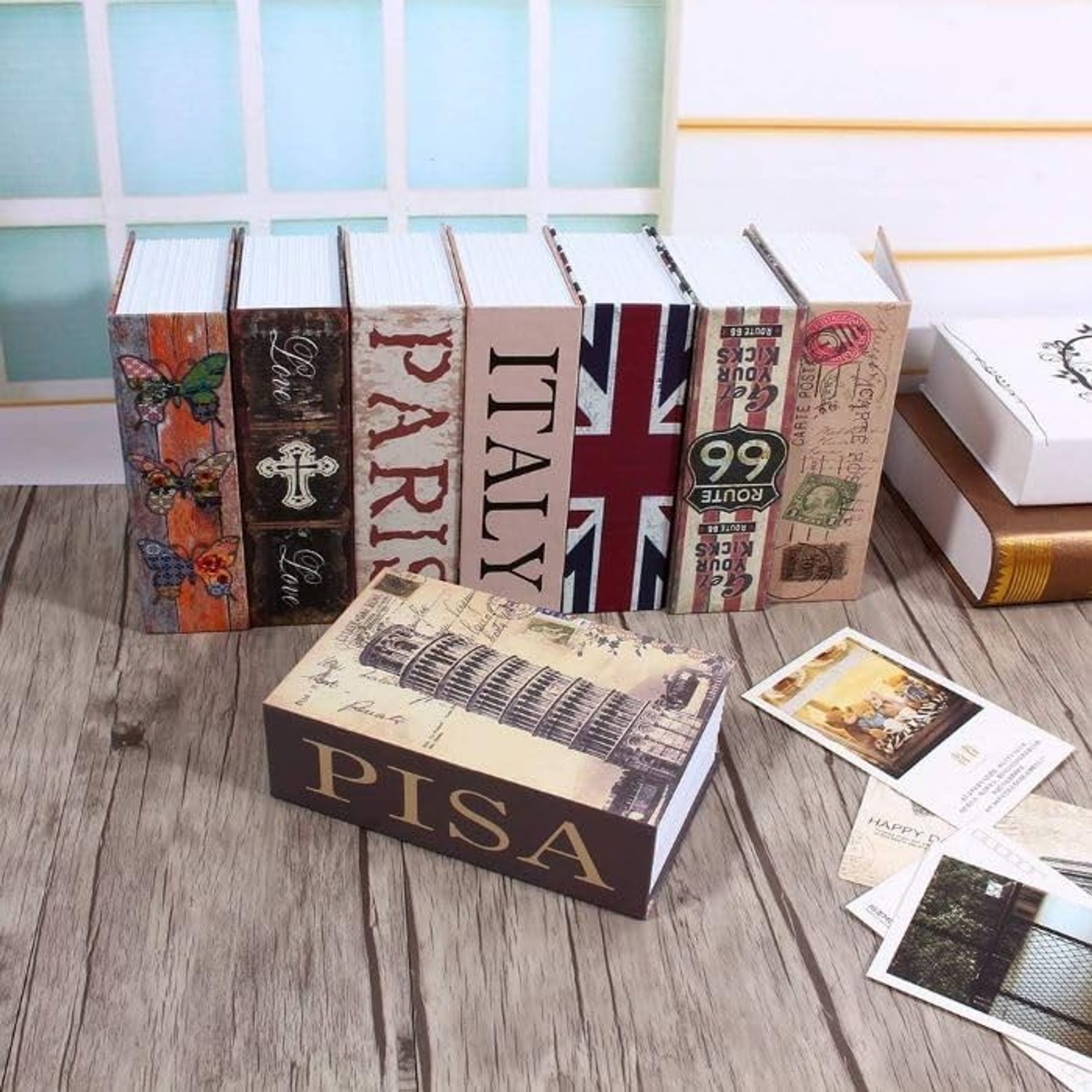
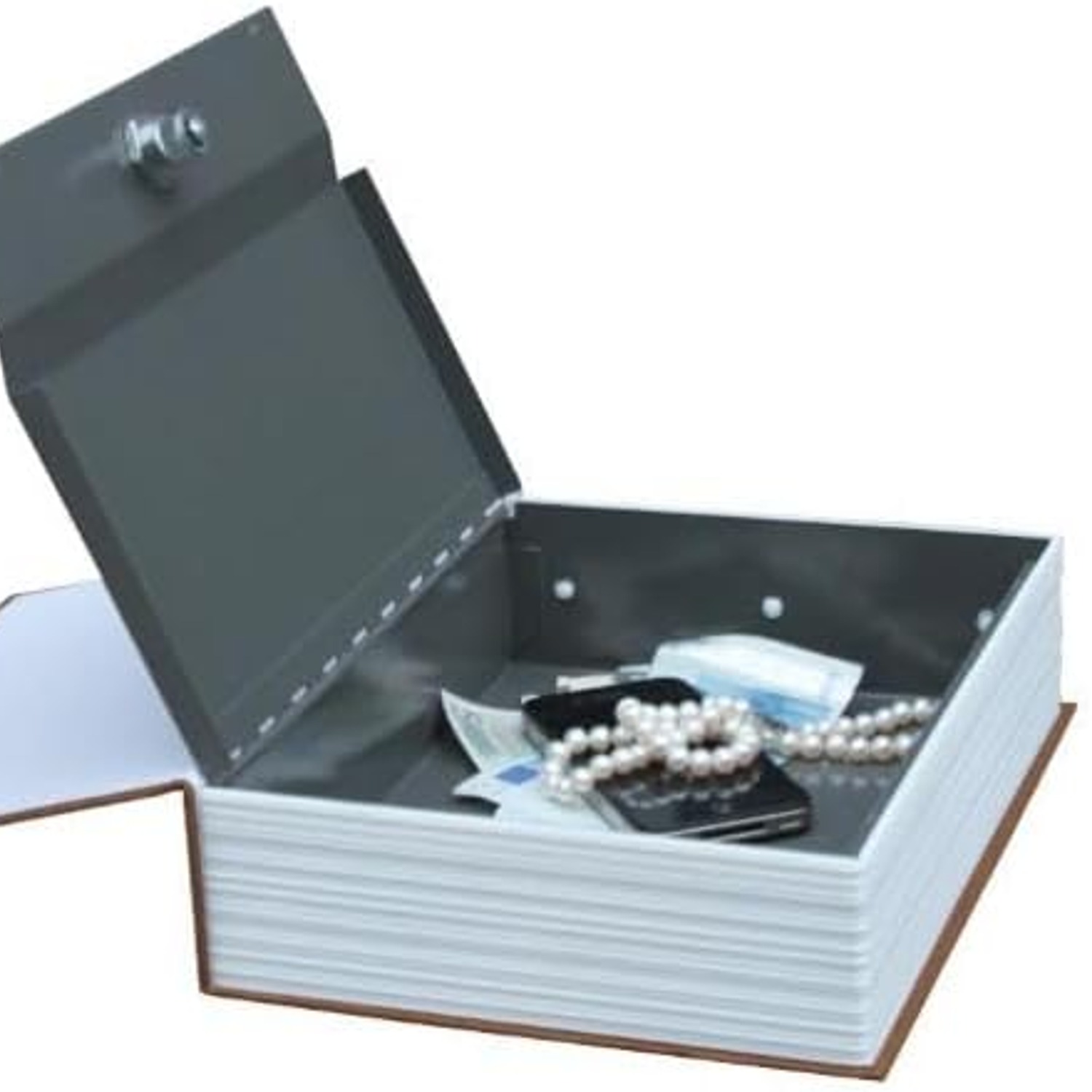
The idea is simple. A book-style exterior surrounds a lockable compartment, so the box can sit among books rather than look like a container for valuables. This model is portable, weighs 600 g and uses a physical key lock.
That last detail matters. The heading includes “Combination Book Safe”, but the product specifications describe key access, not a number code. If you want a combination mechanism, this is not a confirmed match.
What a book-style safe is meant to do
A book safe combines hidden book storage with a locked compartment. Its main appeal is discretion. Instead of leaving small belongings visible, you put them behind a cover that resembles an ordinary book.
That can be useful at home, especially if you prefer clear surfaces. It also gives you a repeatable habit. Rather than searching several drawers for a small item, you know where you last put it.
Keep the limits in view, though. A disguise does not establish theft resistance, and a lock does not tell you how much force a box can withstand. The maker includes no burglary test result or security grade. Treat the product as discreet storage, not as a replacement for a rated safe.
How this key lock book safe works
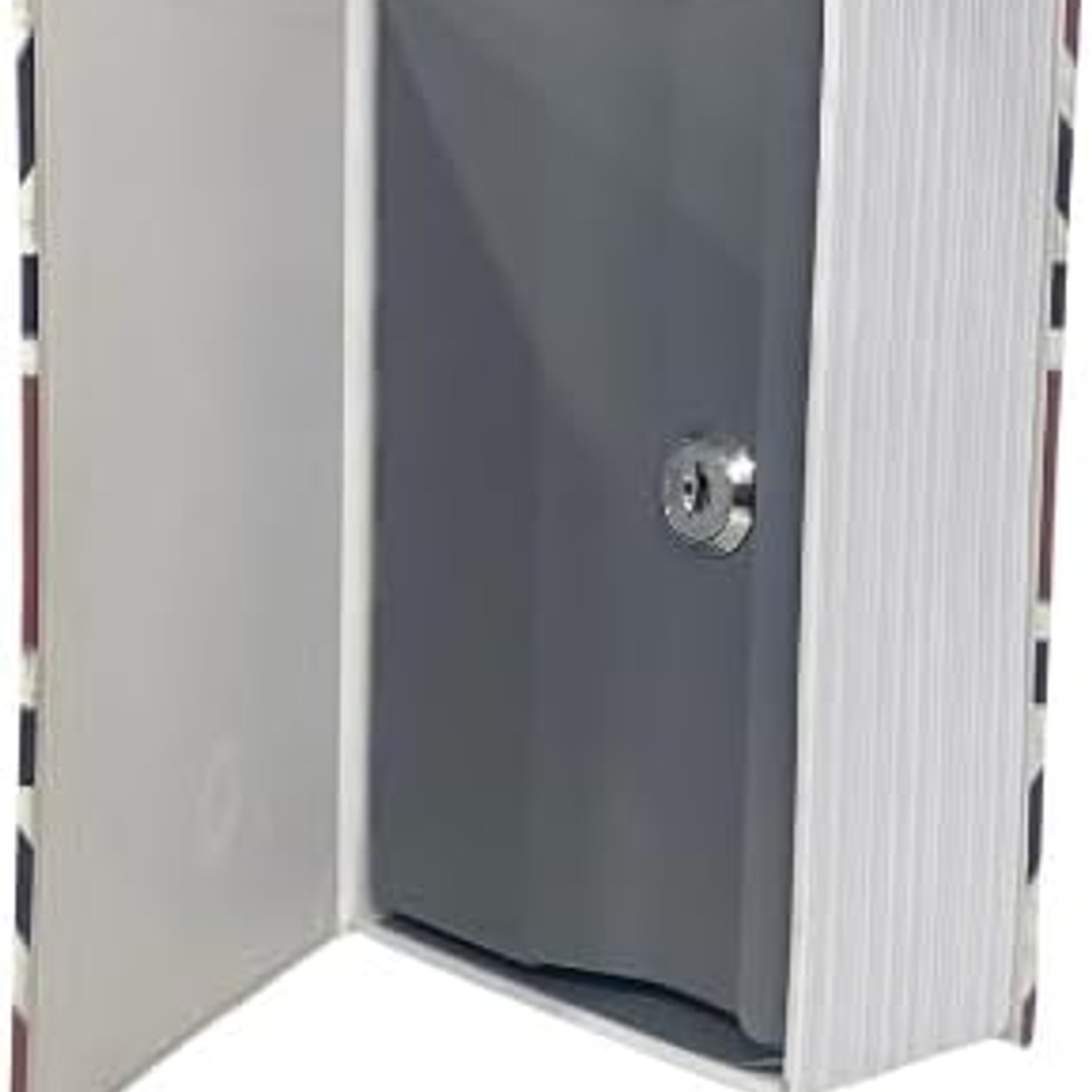
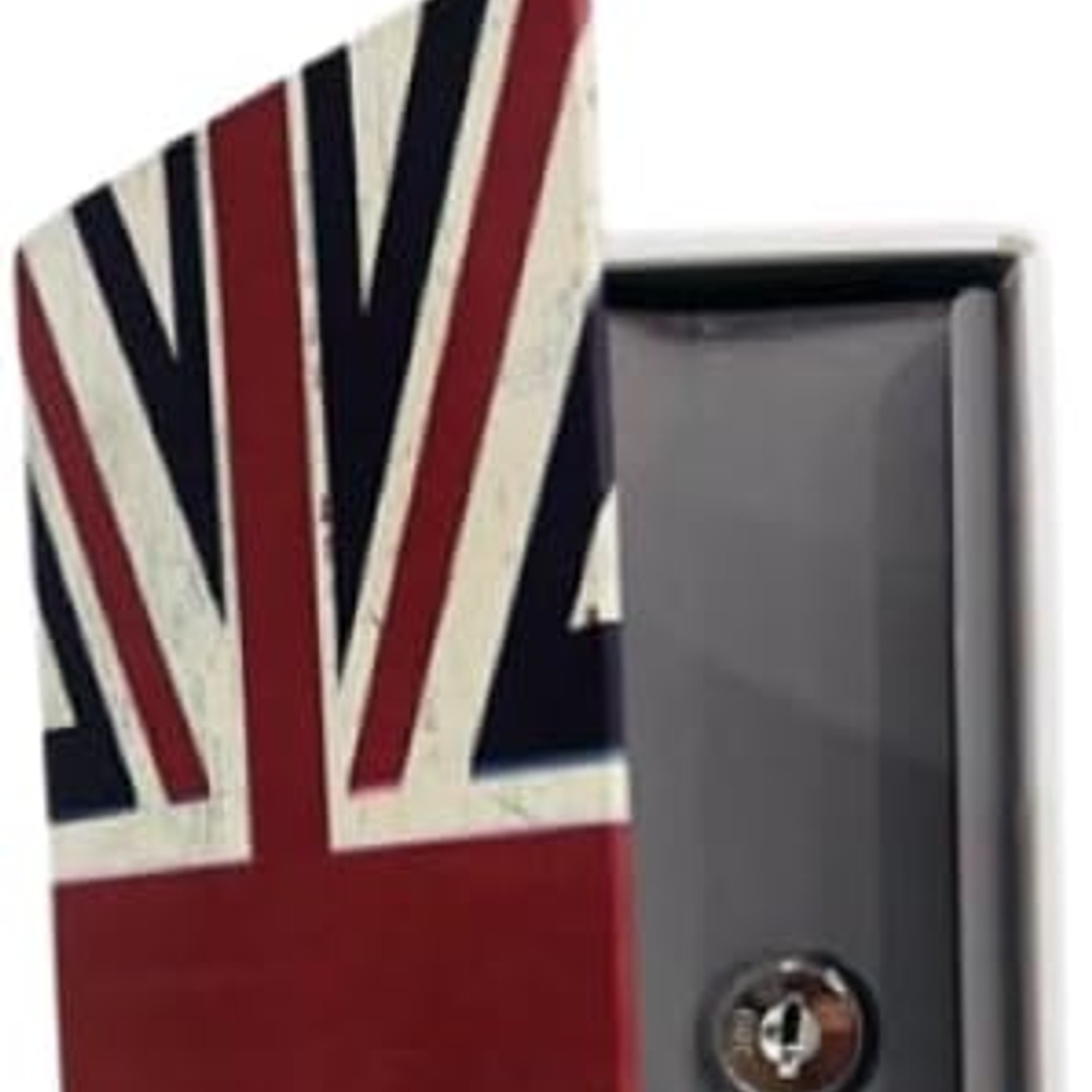
The listed lock type is a physical key lock. You use the key to access the compartment, place your belongings inside, then close and lock it. There is no code-setting process described.
Key access suits people who do not want another number to remember. The trade-off is key management. You need to know where the key is and keep it away from anyone who should not open the box.
Do not leave the key beside the safe or inside its cover. That would make the lock much less useful. If a spare arrives with the product, store it separately from the everyday key.
The maker details list a key as an included component, while the reference description mentions two. If the spare is central to your buying decision, confirm the supplied count before ordering.
Check size before thinking about capacity
The overall dimensions are listed as 5.5 x 15.5 x 24 cm. These measurements help you judge whether the box will fit on a shelf or in another chosen spot. Measure that space rather than guessing from a photograph.
External dimensions do not show usable storage capacity. The cover, compartment walls and locking parts all take up room. An object that is smaller than the outside of the box may still fail to fit inside.
There is also a measurement conflict in the maker's description. Chamber depth is listed as 5.6 cm, slightly more than the 5.5 cm overall depth. That needs confirmation and should not be used as a reliable fit measurement.
For a particular wallet, passport holder or jewellery case, ask for usable internal dimensions. This is more useful than trying to work out capacity from the overall size.
Decide what you plan to keep inside
Cash, bank cards and small jewellery are the stated uses. Start with the actual items you want to store, not a broad idea of “valuables”. Lay them together and check their combined size.
A few loose items need different space from a rigid case. Thick wallets, presentation boxes and large key rings may also take up more room than expected. Leave enough space for the compartment to close without pressure.
For jewellery book safe use, think about surface contact as well as fit. No soft lining or fitted sections are specified. Delicate pieces may need separate protection to avoid rubbing against each other or the interior.
Avoid packing the box so tightly that items press into the lock area. Storage is easier to use when you can remove one thing without emptying everything else.
Understand the materials without assuming a rating
The specifications identify the material as metal. The reference description adds that there is a paper book cover and a stainless-steel interior. No metal grade, wall thickness or construction test is supplied.
Those details describe the product, but they do not establish a level of protection. “Metal book safe” is a material description, not a security standard.
The same care applies to environmental claims. No fire resistance or waterproof performance is specified. Keep the box dry and do not rely on it to preserve documents or cash through fire or flooding.
If your main concern is loss from a serious incident, compare products with stated test standards and suitable installation requirements. Choose based on the protection you need, rather than the appearance alone.
Choose a place that makes sense
A bookshelf lock box works as a disguise only in context. Think about the books already on the shelf, their sizes and how often other people handle them. A lone book-shaped object may draw more attention than one placed naturally among reading material.
Choose a stable, dry location where the box will not fall when a nearby book is removed. Avoid squeezing it into a gap so tight that you have to pull hard on the cover.
Access matters too. If retrieving the box is awkward, you may stop using it or leave it unlocked. A sensible location balances discretion with a routine you can maintain.
No colour is specified in the maker's description. If matching a particular shelf or room is important, confirm the available appearance rather than assuming an exact finish.
Who this portable format may suit
This small personal safe may suit someone who wants a dedicated spot for modest everyday belongings. It can also appeal to people who prefer book-themed storage over a plain lock box.
For home office use, it offers a place for personal cash or cards that might otherwise sit in a desk drawer. It does not replace an office policy for confidential documents or controlled access to shared property.
The listed portable mounting type is worth considering. You can move the box, but so can someone else who finds it. No anchoring kit or fixing arrangement is specified.
If fixed installation is essential, look for a product that clearly states how it attaches to a solid surface. Portability and anchoring serve different needs.
Think carefully about travel use
At 600 g, the box has a stated weight you can include when planning luggage. Remember that its contents add to that figure, and the rigid overall dimensions still need space in your bag.
A travel book safe may help organise small belongings, but it does not make unattended luggage secure. Keep important travel items under appropriate personal control and follow the storage advice for your accommodation.
Passport fit is not confirmed by the maker. Do not buy on the assumption that every book-shaped lock box accepts a passport, document wallet or travel organiser.
Before travelling, decide where both the safe and its key will go. Keeping them together may be convenient, but it removes much of the benefit of locking the compartment.
Care is mostly about gentle handling
A soft, dry cloth is a sensible starting point for cleaning. Handle the cover gently, particularly around edges and moving parts. A paper-style cover should not be soaked.
Keep liquid cleaners away from the lock opening. If something spills nearby, move the box to a dry area rather than leaving it against a damp surface.
Open and close the compartment without force. If it does not close easily, check whether an item is caught or the contents are too full. Pressing harder is not a good substitute for finding the obstruction.
No maintenance schedule or approved lock lubricant is given. Ask for product-specific advice before adding anything to the mechanism.
Buying it as a gift
A book safe gift can suit someone who enjoys unusual storage or wants a regular place for small belongings. It is worth checking whether they prefer a physical key or a code before choosing.
Explain the product plainly when giving it. It is a decorative lock box with key access, not a safe with a stated fire or burglary rating. That keeps expectations realistic.
If the recipient has a specific item in mind, size matters more than the surprise. Confirm fit first, especially for rigid cases or documents.
Keep the order details and packaging until the recipient has checked the box. Delivery timing, warranty terms and the full return process are not specified by the maker, so review those details before purchase.
The short version
Choose this decorative book safe if you want book-shaped storage for small personal items and prefer a physical key lock. Check the 5.5 x 15.5 x 24 cm overall size against your space, and confirm internal fit where it matters.
Its role is discreet organisation with a lock. If you need code access, confirmed anchoring or tested protection against fire, water or burglary, look for those features stated clearly in another product.