
The complete guide
Choosing a Document Case for Home and Travel
Give important papers a place of their own
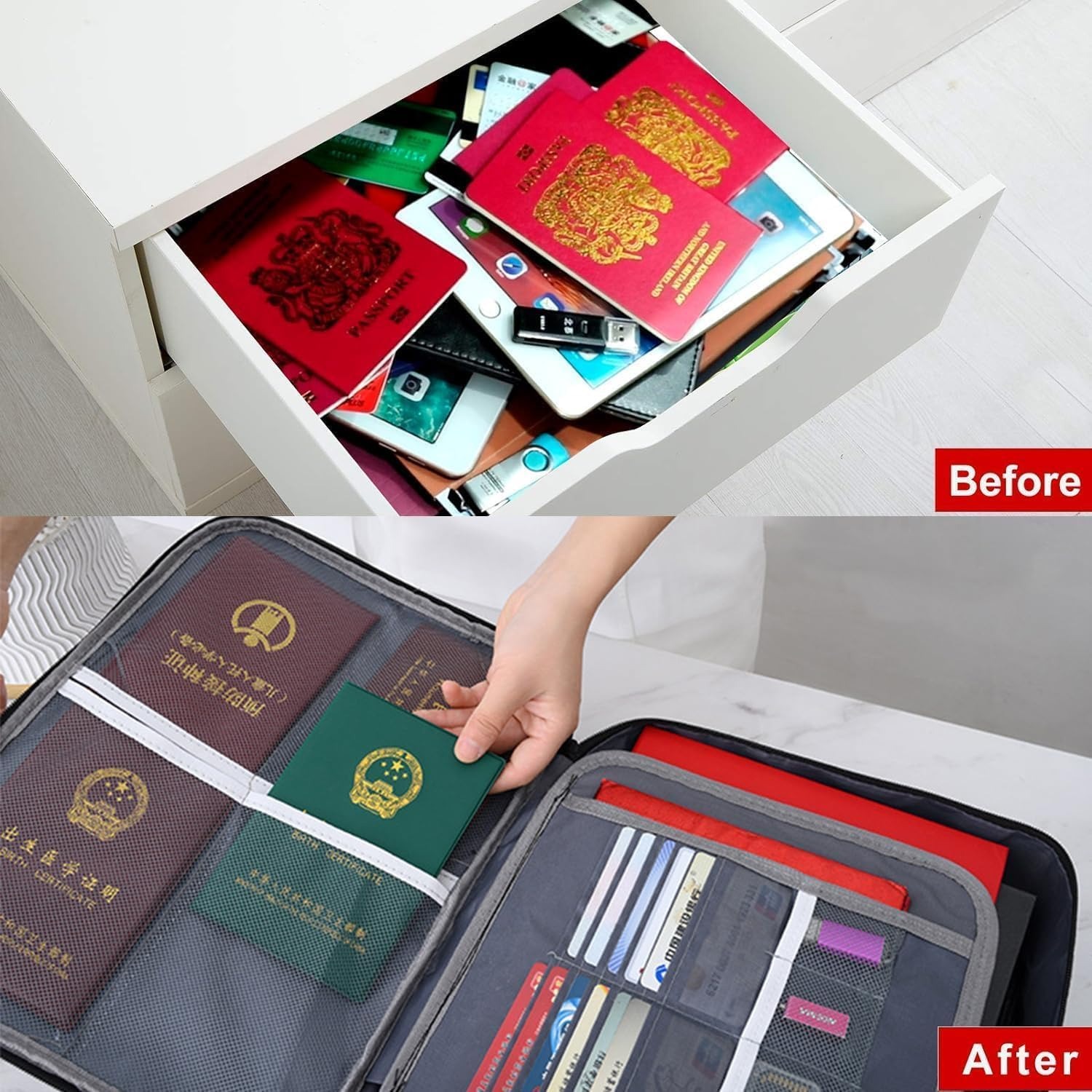
A passport in one drawer, an insurance letter in another and a USB drive somewhere in a desk can turn a simple task into a search. A document organiser gives these items a shared home. It also helps you notice what is missing before you need it.
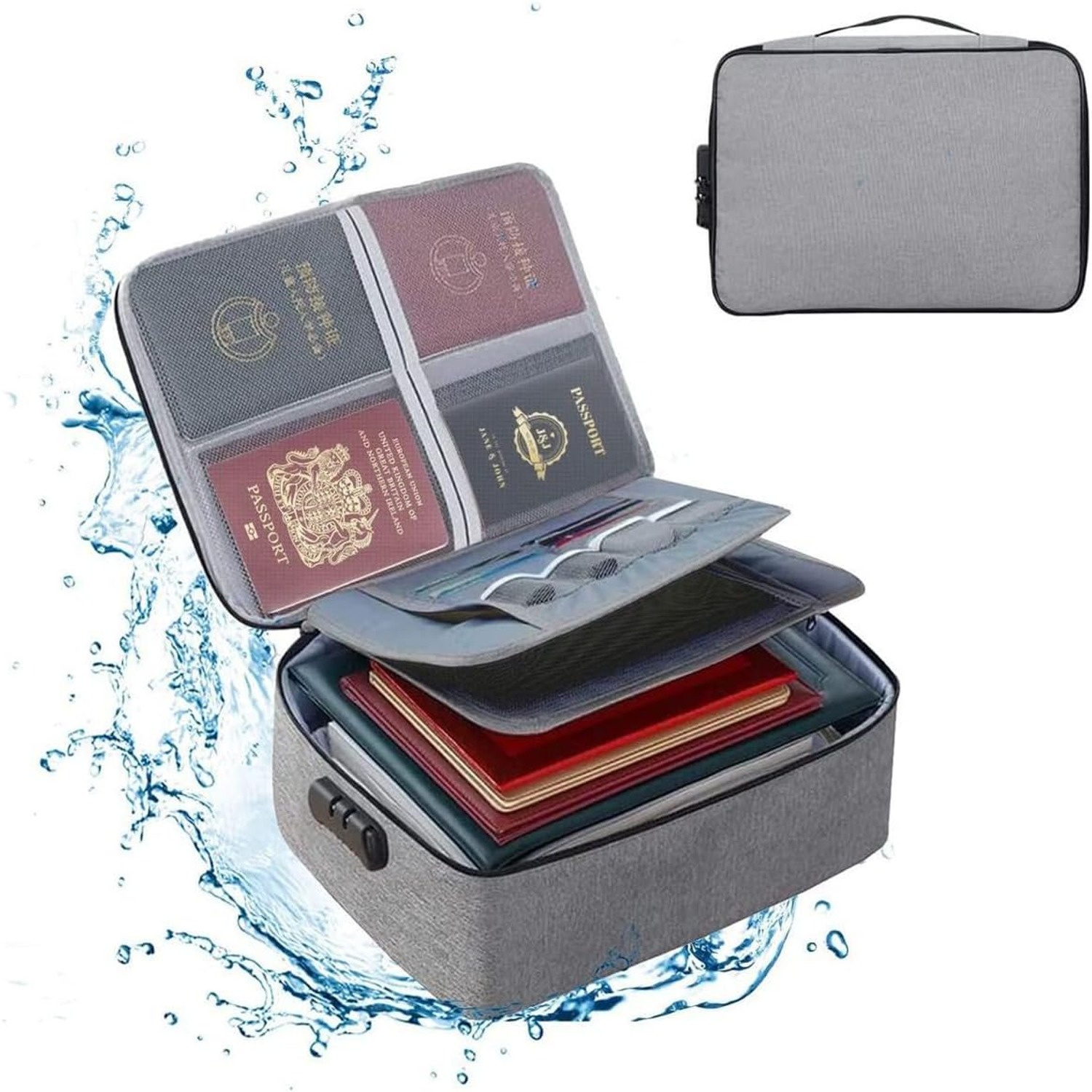
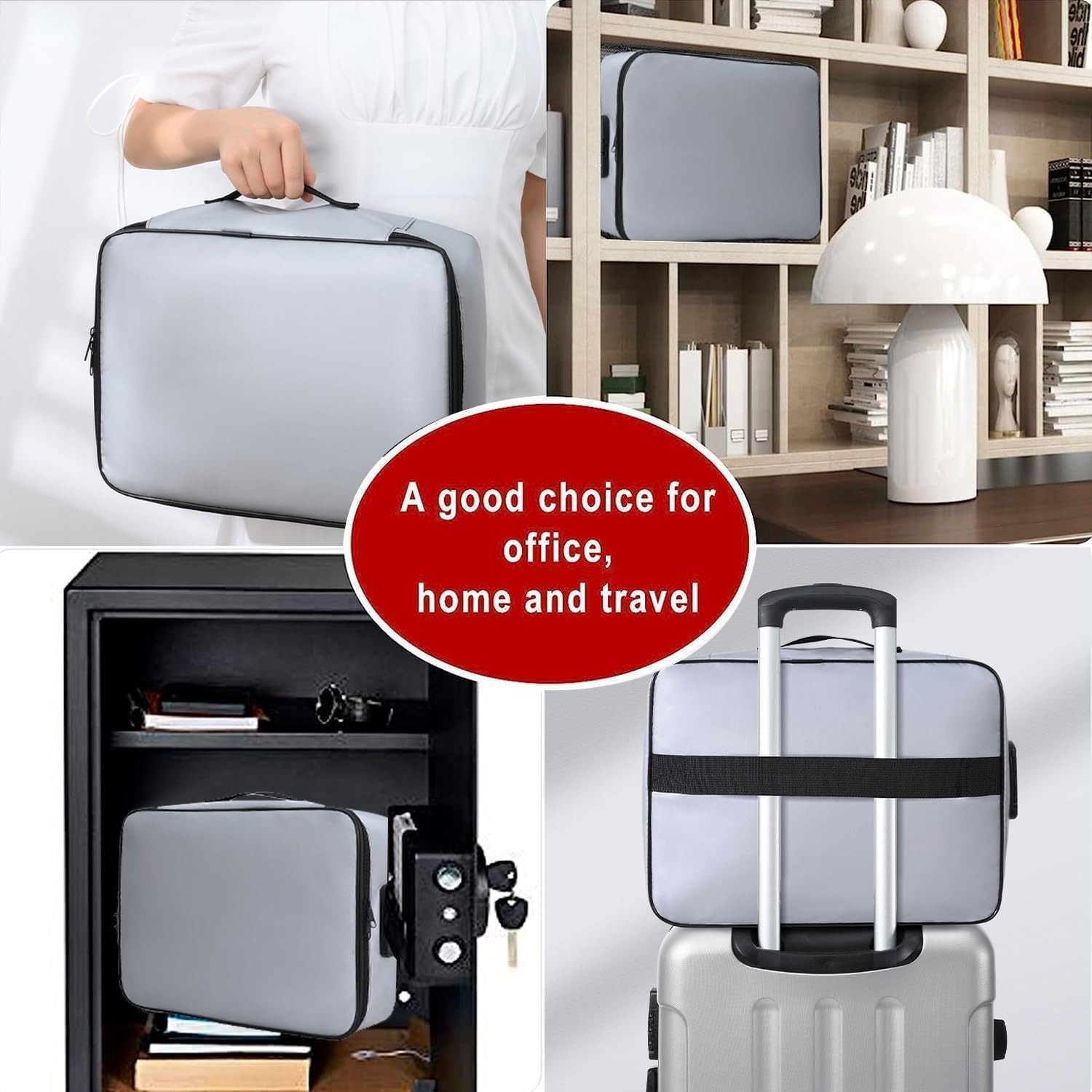
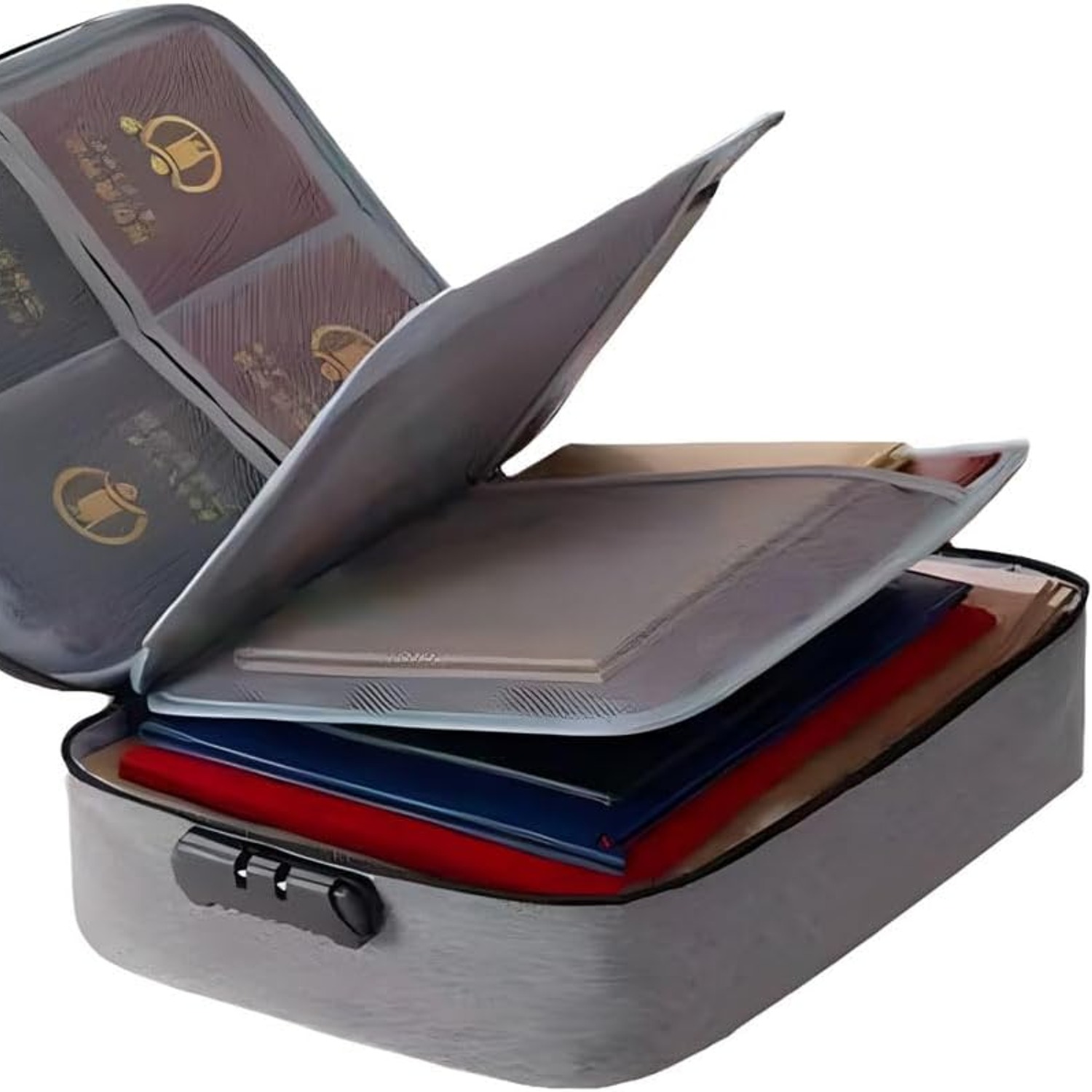
This case brings a main storage space together with smaller pockets for passports, cards and USB drives. It closes with a zipper and has a built-in settable combination lock. Its listed uses cover home, office and travel.
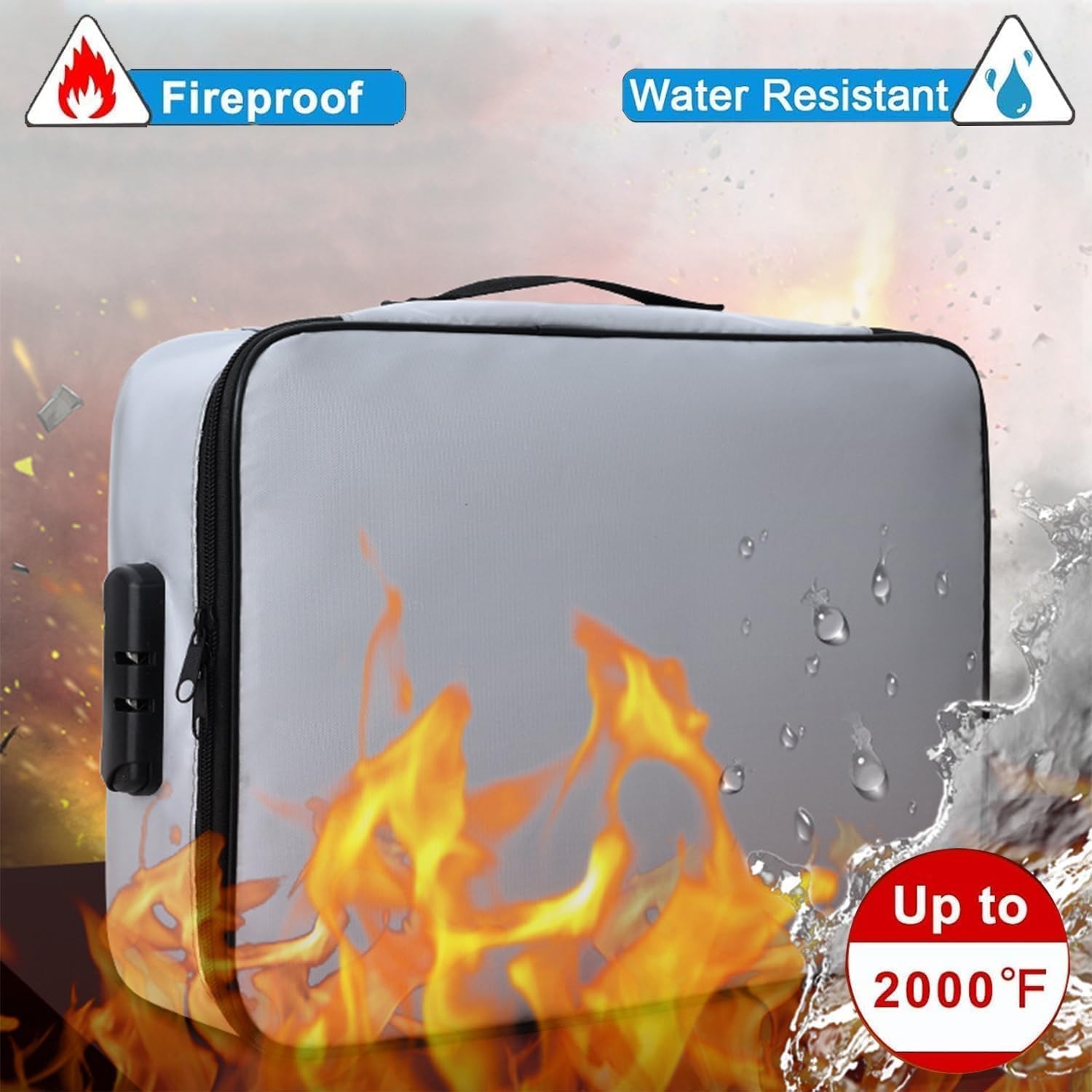
The main buying question is whether its layout fits your records. Protection claims need a separate check. Although this product is named a Fireproof Document Case, the maker does not give a fire-test rating, temperature or protection period.
Understand what the protection claims mean
A product name is not the same as a test result. When comparing any fireproof document case, look for evidence that explains what was tested, under which conditions and for how long. Those details are not given by the maker by the maker.
That means you should not assume this case will keep paper, passports or digital storage safe during a house fire. It is also not listed with a burglary rating. The combination lock adds an access barrier, but that does not make a portable case equivalent to a rated safe.
The maker's description also makes a waterproof claim without giving a water-resistance test rating. Keep the case dry and away from standing water. If verified fire or flood protection is your main reason for buying, ask for supporting test information before making a choice.
Start with the papers you actually keep
Before choosing important document storage, gather the items you want it to hold. Separate current records from expired papers, spare copies and documents that belong somewhere else. A smaller, current collection is easier to check.
Think about how often you need access. Passports may only come out a few times a year, while work records might be handled each week. Keeping frequently used papers easy to reach helps prevent the rest from becoming mixed up.
For a personal records organiser, a simple contents list can be useful. Write down broad groups rather than sensitive account details. You can then check the case without emptying every pocket.
The aim is not to fit every paper you own into one bag. It is to give selected records a clear, consistent place.
Check size before counting capacity
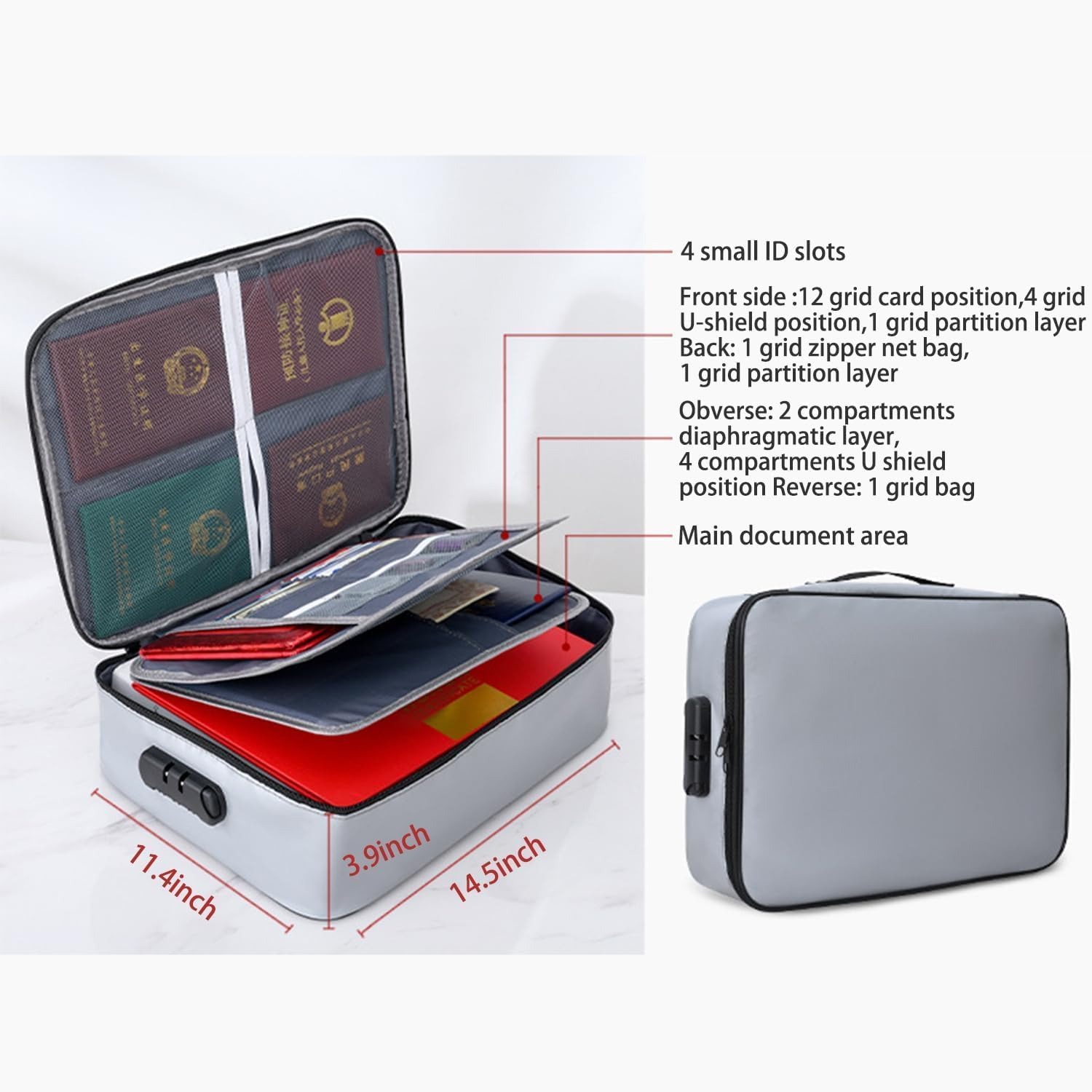
The listed dimensions are 27 x 37 x 10 cm. These measurements are a starting point, not a promise about the space inside. Internal measurements and the size of the zipper opening are not stated.
Measure your largest item with its cover or sleeve in place. A certificate on its own takes less room than the same certificate in a rigid holder. Folder tabs, bindings and thick envelopes also affect fit.
Avoid choosing a certificate storage case by paper size alone. Even when a sheet looks small enough, its protective folder may be too wide or too stiff to pass through the opening comfortably.
The maker contains inconsistent capacity details, so physical measurements are more useful than relying on a volume figure. If a particular folder must fit, confirm the usable internal space before ordering.
Decide whether the pockets match your routine
This organiser lists four passport mesh pockets, twelve card slots and four USB pockets. There is also a main space for larger contents. That arrangement separates small items from loose paperwork.
As a passport organiser, it may help a household keep travel documents together. You could assign a pocket to each person, then check those pockets before a trip. Thick covers may affect fit, so leave room for them when planning.
The card storage organiser section can give selected cards a set location. Think carefully about which cards need to be kept with other identity documents. Convenience should not mean placing every sensitive item you own in the same portable bag.
The USB storage pockets offer a place for small drives. They do not establish protection for the data on those drives. Keep suitable backups of important digital files elsewhere.
Know what the lock adds
The case has a built-in password lock that allows a combination to be set. This can be useful when you want a basic barrier to casual access at home or while handling papers.
No resistance level is provided for the lock, zipper or case body. A combination lock document bag should therefore be chosen for its stated features, not for an assumed level of theft protection.
Read the supplied setup instructions before changing the code. Test the lock with the case empty and open where the instructions allow. Store any recovery guidance somewhere other than inside the locked case.
A lock also works best alongside sensible placement. Avoid leaving a portable file storage case unattended in a public place or visible inside a parked vehicle.
Plan for home and office use
At home, a document case can make routine admin less scattered. You might keep selected certificates, current household records and travel papers together, with clear separation between each group.
Choose a dry storage spot away from heat and direct water exposure. Make sure the people who need access know where the case belongs. Returning it to that spot after use matters more than creating an elaborate filing system.
For office document storage, check your workplace rules first. Some records require approved cabinets, controlled access or other specific handling. A personal zipped case should not replace those requirements.
If you move papers between work and home, review what you pack each time. Carry only what is needed and return sensitive records to their proper storage promptly.
Consider how it will travel
A travel document case is useful when it reduces loose items, not when it becomes another overfilled bag. Pack the documents needed for the journey and keep unrelated records at home.
The rear strap is described as sliding over a luggage handle. Check the fit on your suitcase before departure. A strap that sits well on one handle may sit differently on another.
The listed empty weight is 260 g. Your papers, devices and other contents add to that, so judge carrying comfort with the case packed as you intend to use it.
Think about access during the journey too. Keep documents needed at checkpoints reachable, and allow time to close and lock the case again without rushing.
Do not assume device compatibility
The maker mentions laptops among possible contents, but no supported screen size or internal device dimensions are given. Protective padding is not confirmed either.
If you want a document bag for travel that also holds a device, measure the device in its usual sleeve. Check width, depth and thickness, then ask about the case's internal space and opening.
Do not force a device into the main compartment. A tight fit can put pressure on the zipper and nearby papers. It can also leave no room to remove the device without disturbing everything else.
For buyers focused on paperwork, keeping electronics separate may make the document layout easier to manage. Choose based on your actual load rather than a broad compatibility claim.
Care for the case and its contents
Follow any care label supplied with the product. For routine dust, empty the case and use a soft cloth. Do not assume it can go in a washing machine or tumble dryer.
Let the case dry fully before replacing documents. Paper stored against damp surfaces can be damaged even when the outside appears nearly dry. Avoid packing damp items alongside records.
Keep loose paper edges away from the zipper path. If the closure catches, stop and check what is blocking it instead of pulling harder. Reduce the contents if the case no longer closes comfortably.
Review the contents from time to time. Remove expired papers where appropriate, update your contents list and check that important originals have been returned after use.
Check the practical details before buying
The stated box contents are one file storage bag. Do not assume the order includes folders, USB drives or other items shown alongside a storage product.
Check the estimate for your address, especially if you need the case for a trip. Leave enough time to inspect it and check fit before departure.
Read the current return terms as well. The maker mentions full refunds for several item problems, but our delivery and returns pages' process and applicable conditions should be checked before ordering.
The short version
Choose this file organiser with lock if its pocket layout and listed size match the papers you want to keep together. Its passport, card and USB spaces offer a clear starting point for sorting home or travel records.
Confirm fit where internal space matters, and keep expectations about protection realistic. No tested fire duration, temperature or water rating is supplied. Good organisation is a useful benefit on its own, but it should not be mistaken for verified safe performance.