
The complete guide
Choosing a Key Lock Box for Shared Access
When handing over a key becomes a chore
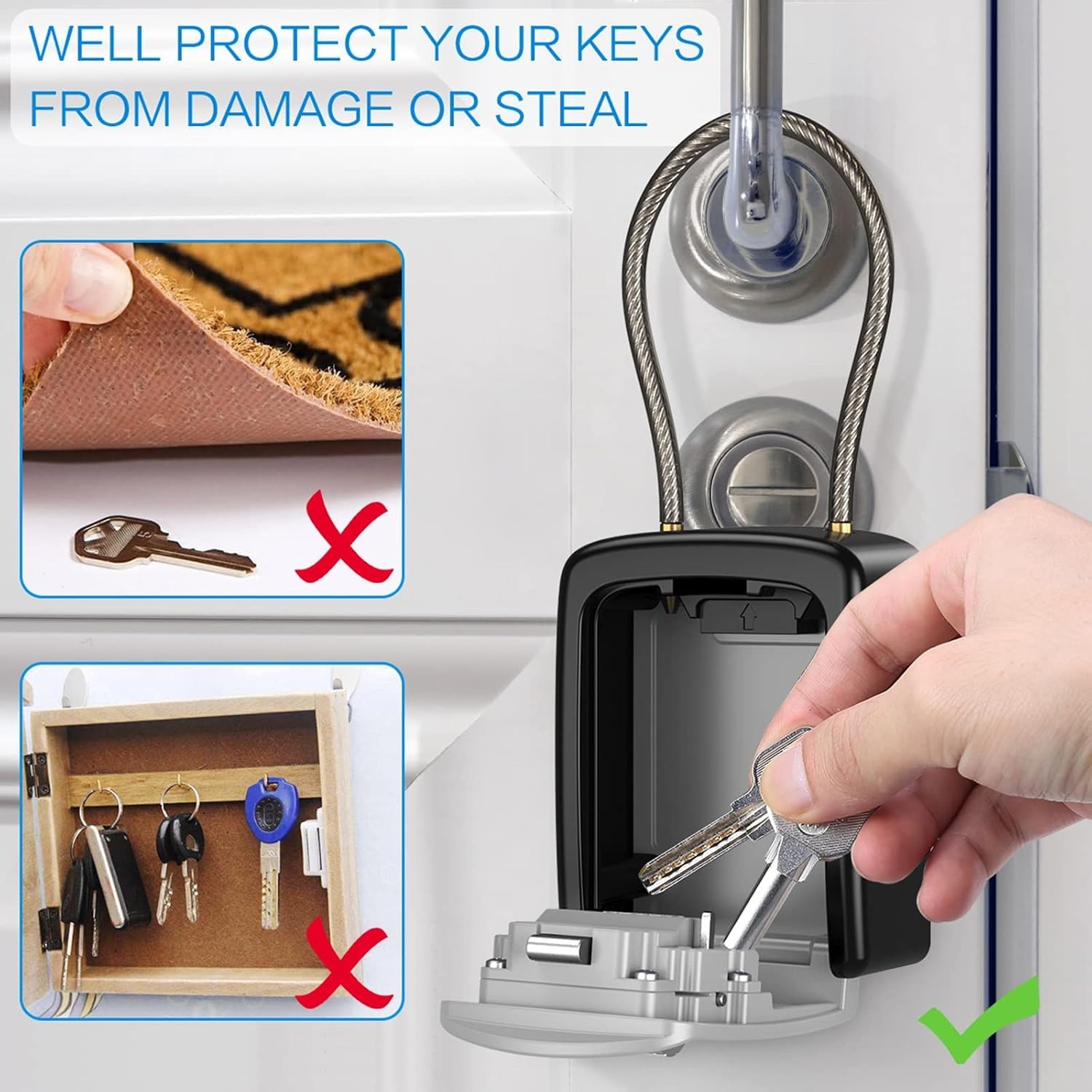
A spare key is useful only if the right person can reach it when needed. Waiting at home for a visitor, driving across town to meet a pet sitter or arranging a late guest arrival can turn a small task into a long one. Leaving a key under a pot is no substitute for a clear access plan.
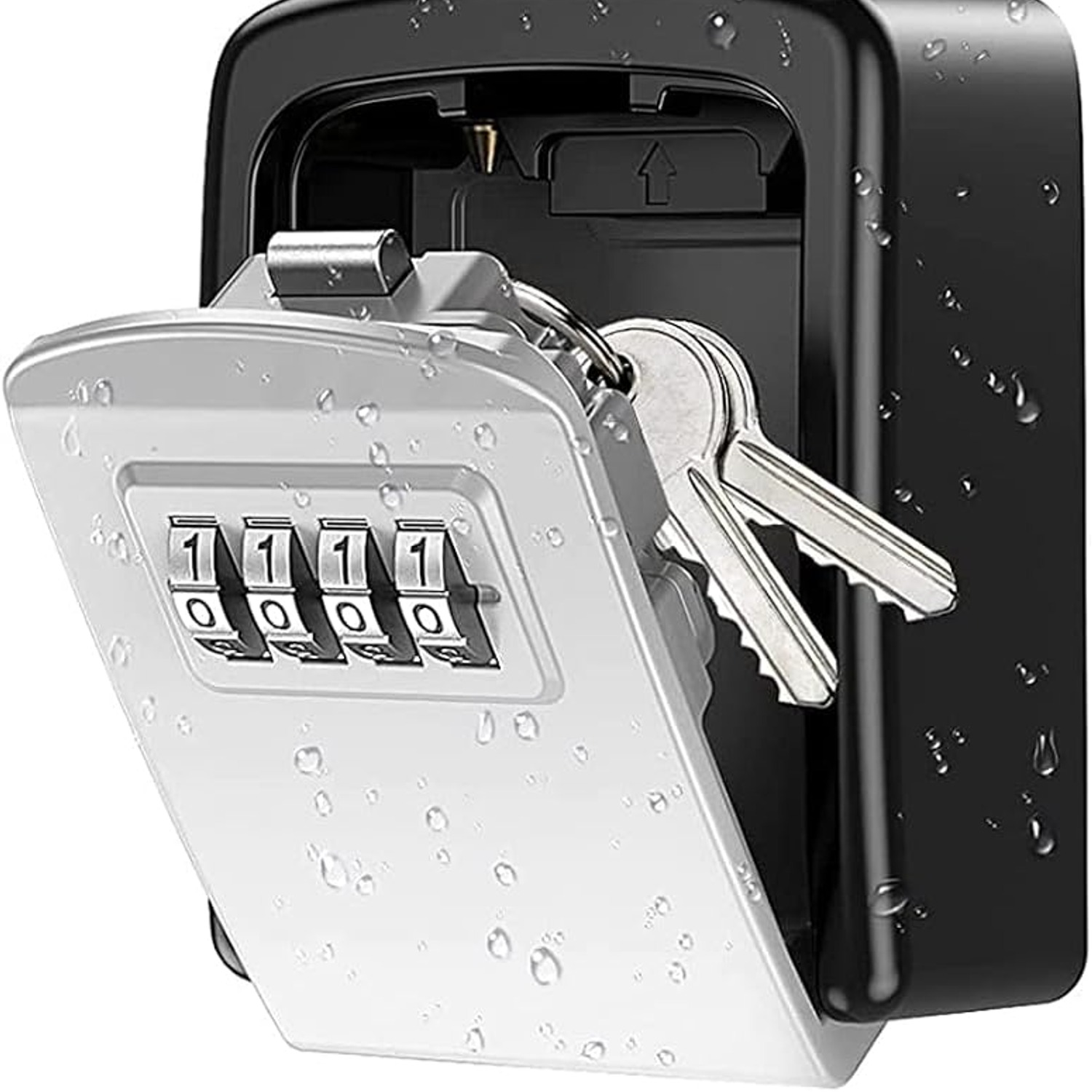
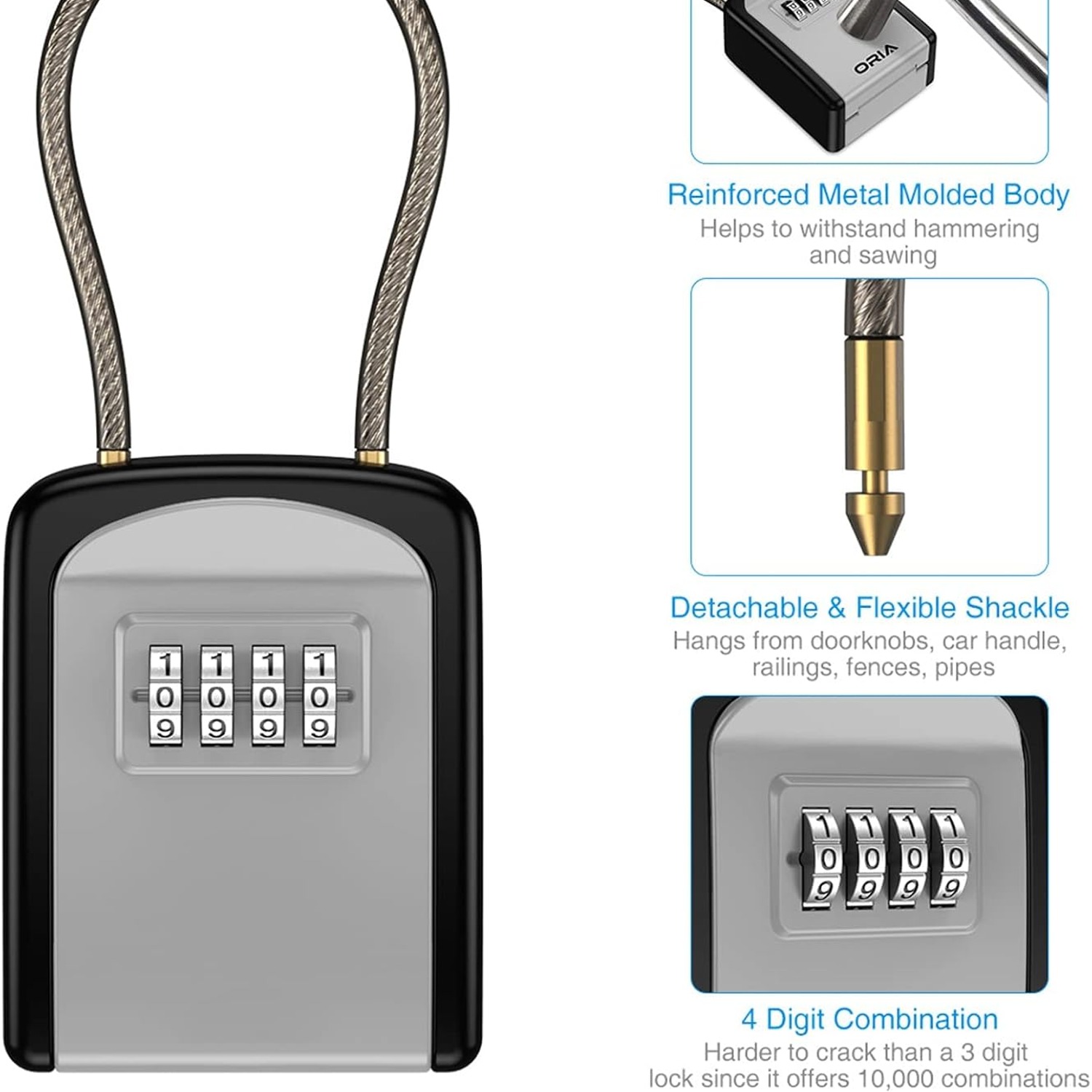
A Key Lock Box With Shackle gives you a dedicated place to leave keys behind a combination lock. You share the code with an authorised person, who can collect the key without a face-to-face handover. This model has a resettable four-digit code and a removable hanging attachment.
Before choosing it, there are a few details worth checking. The maker gives conflicting dimension units and different descriptions of the controls. Those points matter if you need a precise fit or a particular mounting method.
How the key box works
The basic idea is simple. Keys sit inside a compartment secured by a combination lock. Someone with the correct code can open it, take the keys and return them when finished. A shutter covers the combination dials between uses.
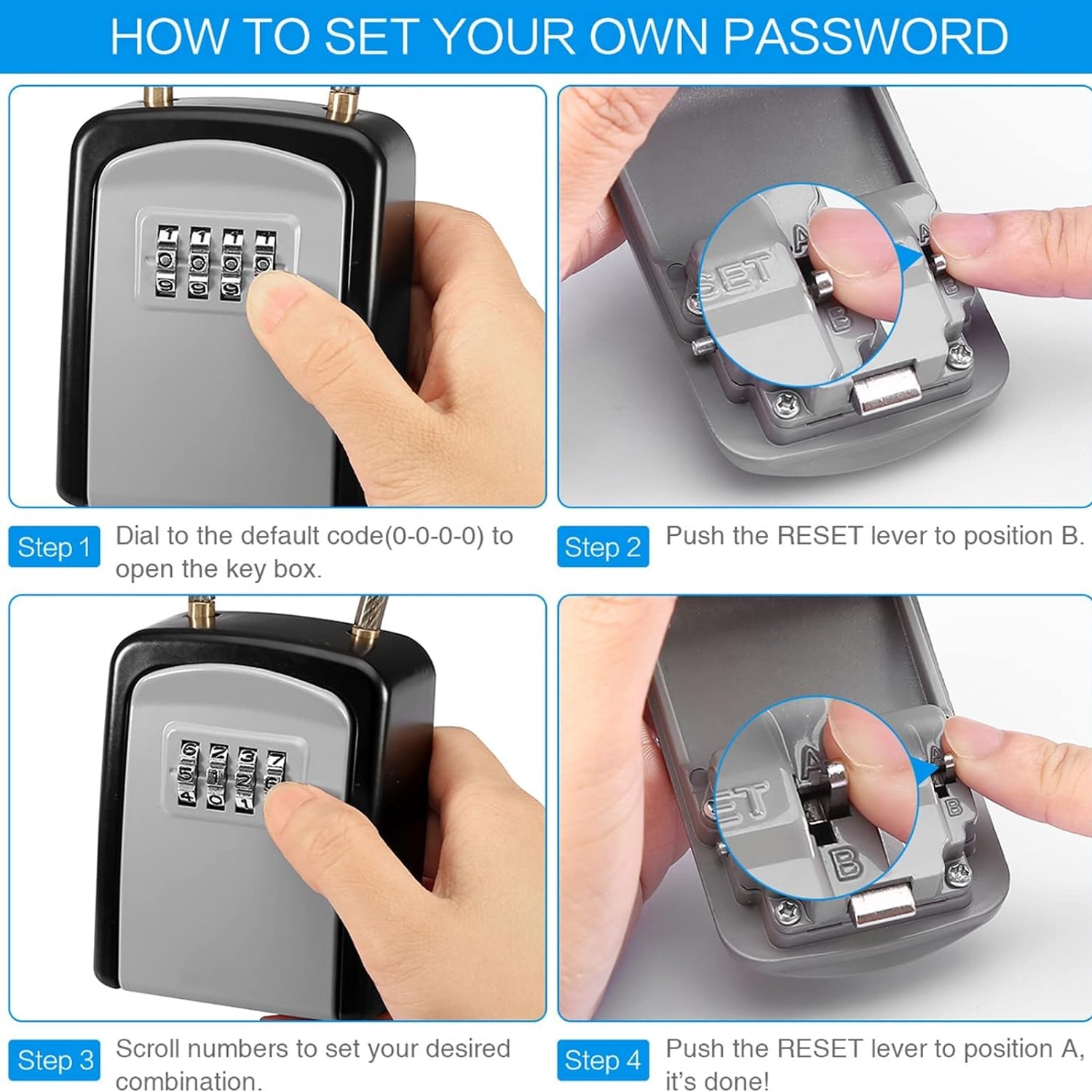
The description states that the four-digit code offers 10,000 possible combinations and can be reset. That lets you change access details between visitors rather than keeping one shared code in use indefinitely.
The exact reset process is not given by the maker by the maker. Read the instructions that come with the box, then practise before storing a working key inside. Test a new combination with the compartment open. It is much easier to spot a setting mistake before the door is closed.
Who a portable key safe may suit
This type of spare key storage can help households that need to let trusted people in at different times. A pet sitter may arrive while you are at work. A relative may need occasional access. A guest may reach a holiday property after the person managing it has left.
The common need is planned access without a personal handover. A portable key safe does not decide who should enter or when. You still need to manage the code and explain what the visitor should do with the key afterwards.
It is less suitable when your main requirement is a certified security rating. No burglary rating, fire rating or insurance approval is stated for this model. If any of those are required, seek a product with clear supporting documentation.
Start with the keys you need to store
Capacity sounds straightforward until you look at the keys themselves. Five slim household keys take up a different amount of space from two keys on thick plastic heads. Add a ring or a remote fob and usable room can shrink quickly.
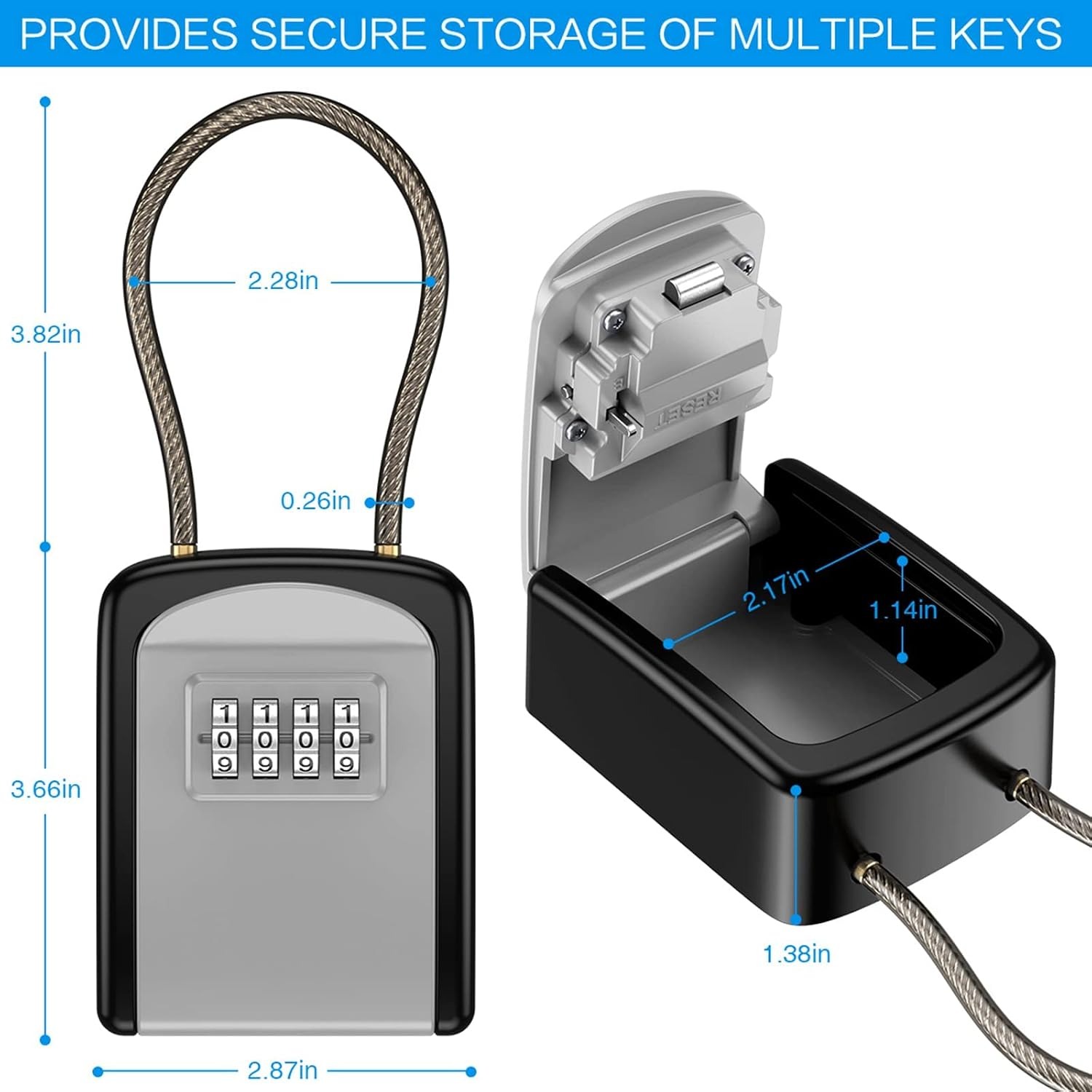
The description states capacity for up to five keys. It also gives approximate internal dimensions of 2.17 × 1.38 × 1.14 inches. Treat the key count as a guide rather than a promise that every group of five will fit.
Measure the items you actually plan to store. Include the widest part of each head, any ring and the depth of a fob. Allow room to place and remove them without forcing the compartment closed. A key that fits only when pressed against the door is not a comfortable daily fit.
Resolve the dimension conflict before ordering
This listing needs a careful size check. Product details show 29 × 35 × 55 millimetres, while a separate dimension record uses centimetres for the same numbers. Those are very different sizes. Neither should be used as a confirmed overall measurement without clarification.
The approximate internal size comes from another part of the description. It is useful context, but it does not resolve the conflicting overall measurements.
If you need a small key storage box for a narrow space, ask for confirmed exterior and usable interior measurements. A photo beside a ruler can also help if one is available. Do not plan drilling positions or buy mounting parts based on an unresolved unit difference.
Check the hanging attachment and mounting point
The product is described with a removable hanging attachment. The maker's description uses both “chain” and “shackle” to describe it, so check the supplied form before relying on a specific fit.
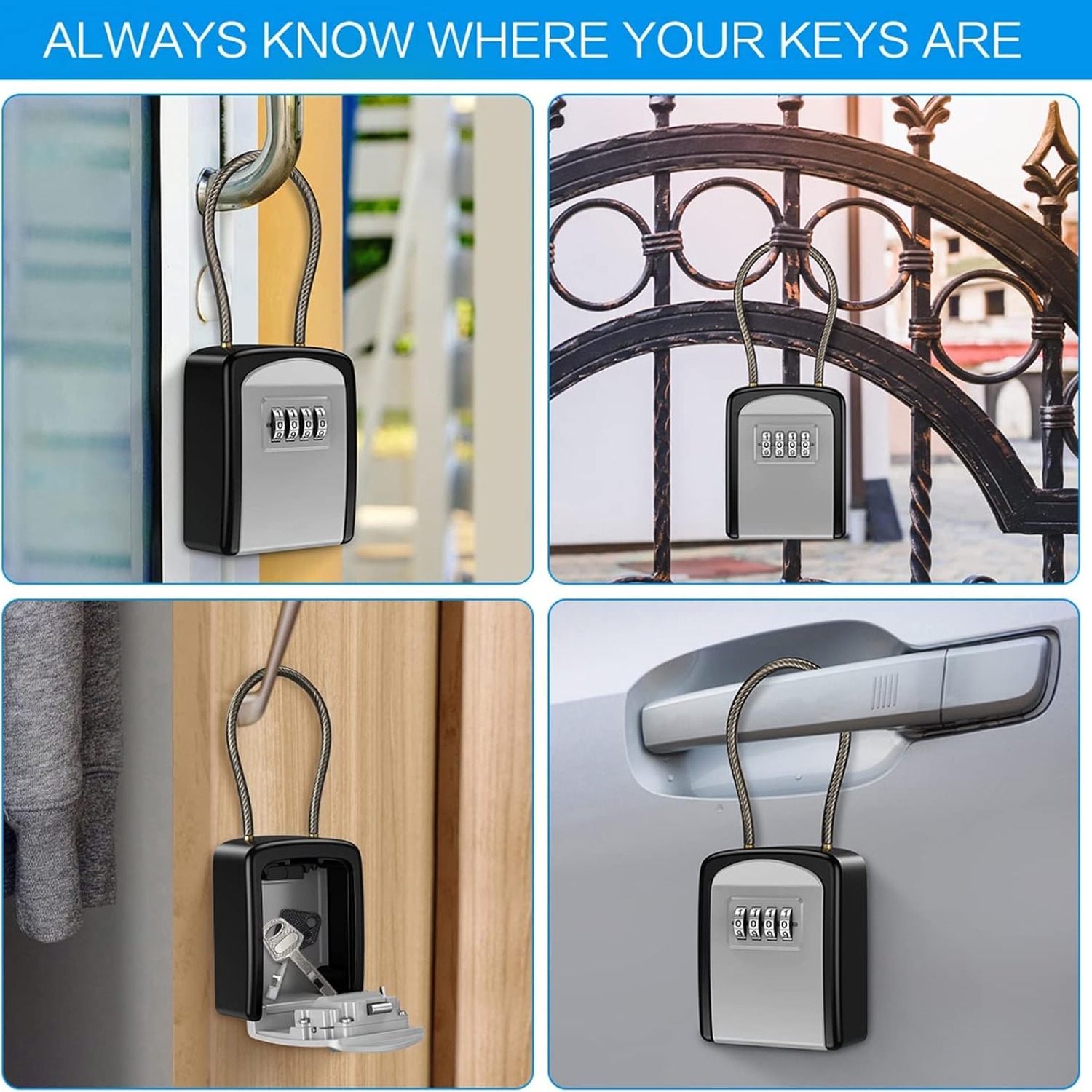
Think about the attachment point as carefully as the box. Will the attachment pass around it? Can it slip off? Will the box stop a handle from turning or strike the door when moved? These practical questions matter more than simply finding somewhere to hang it.
Wall mount key storage is also listed, but the maker does not explain the fixing method or confirm included hardware. If you need a permanent installation, confirm those details first. Do not assume that every removable shackle key safe can be mounted using the same screws or layout.
Understand the materials and security limits
The description states a zinc alloy body and a hardened-steel shackle. It also describes a cover for the combination dials. These are useful construction details, but they are not independent evidence of a particular level of attack resistance.
No measured resistance to drilling, cutting or impact is provided. There is also no certified security grade in the maker's description. Avoid treating broad anti-theft wording as a guarantee that the box cannot be forced open.
Choose a location with care and consider the value of the access that the stored key provides. If your insurer, building manager or accommodation rules require an approved key safe, check those requirements before buying. The maker does not establish approval.
Think carefully about outdoor placement
The maker describes indoor and outdoor use. It uses both waterproof and weather-proof wording, but does not supply a test rating, immersion limit or defined exposure conditions.
For that reason, a sheltered location is the cautious choice for an outdoor key box. Avoid assuming that rain exposure and standing water are the same thing. Keep the box away from places where water gathers or where it may be submerged.
Also consider day-to-day use. An authorised visitor should be able to reach the box and read the controls without blocking a doorway. A location that looks convenient in daylight may be awkward after dark or in bad weather. Check the spot under the conditions your visitors will face.
Make code sharing part of the routine
A resettable key safe is most useful when the code is managed with care. Choose a combination that is not an obvious date or simple pattern, and keep a secure record somewhere separate from the box.
Give the code only to people who need access. For a guest key handover, explain where the box is, which key to take and whether it should be returned after every visit or at the end of the stay.
Change the code when access is no longer needed. Tell anyone who still needs entry that it has changed, and test the new setting before leaving. A short, repeatable routine helps prevent both unwanted access and accidental lockouts.
Check the controls before relying on them
The main description refers to combination dials. A separate product detail says push button control, and the lock type is listed as both combination and key. A key is also named among the included components, without an explanation of its purpose.
These details should be clarified if they affect your purchase. In particular, do not assume the included key is an emergency override. The maker gives no confirmed way to open the box after a forgotten code.
Once the box arrives, inspect the controls and read the instructions before use. Practise opening, closing and resetting it somewhere convenient. Only put it into regular service once the operation is clear.
Keep care simple
Wipe the outside with a soft cloth and dry it after cleaning. Keep grit and dirt away from the controls, and close the dial shutter when you are finished. Follow any product-specific care instructions supplied in the package.
Check the attachment from time to time, especially if the box hangs where it moves during use. Make sure it still sits securely and does not interfere with the door or handle.
Avoid forcing keys into the compartment or forcing the controls if they become difficult to move. Remove unnecessary rings or bulky accessories where practical, then check whether the keys sit freely. Routine checks are easier than discovering a problem during an urgent visit.
The short version
This hanging combination box offers a way to arrange shared key access using a resettable four-digit code. The description states a removable attachment, zinc alloy body, hardened-steel shackle and room for up to five keys, depending on their size.
The main buying checks are fit, attachment and operation. Confirm the conflicting measurements, clarify the controls and check any wall-mounting requirements before ordering.
If those details suit your setup, plan where the box will go and how you will manage the code. A clear handover routine is just as important as the box itself.